
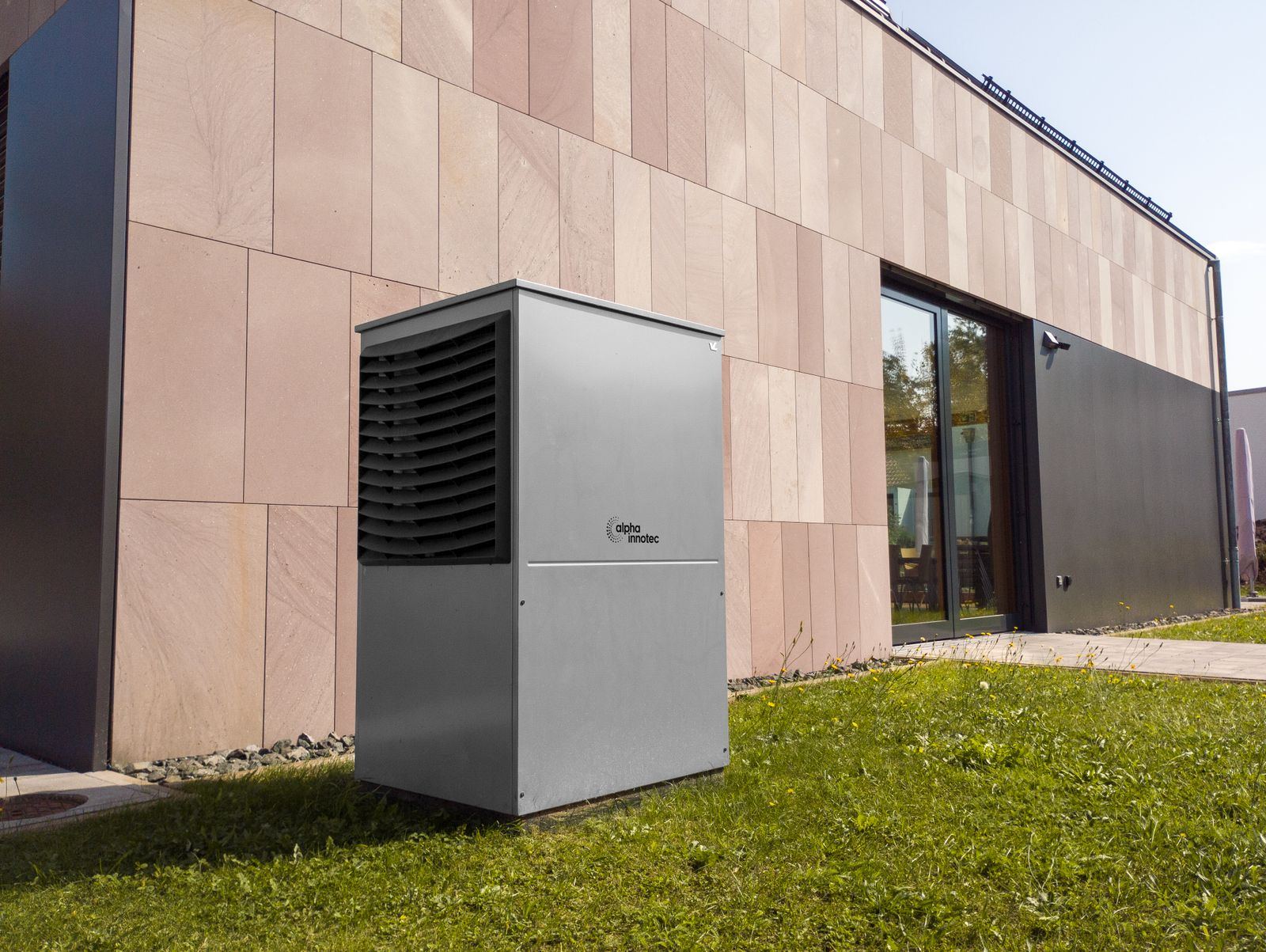
A heat pump water heater works like a refrigerator running in reverse. A small compressor and refrigerant loop sit on top of an insulated tank, pulling warmth out of the surrounding air and pushing it into the water. Because the unit moves heat rather than generating it with a resistance element, it typically uses a fraction of the electricity a standard electric tank would burn for the same shower. That is why these units carry Uniform Energy Factor ratings around 3 or higher, compared with roughly 0.9 for a conventional electric model, and why so many York, PA homeowners with electric water heat are looking hard at the switch.
The catch is that a hybrid unit has to breathe. Most manufacturers call for roughly 700 cubic feet of surrounding space, about the volume of a 10 by 10 room with a typical ceiling, or ducted intake and exhaust where the room is smaller. Because it pulls heat out of the air, it leaves that space a few degrees cooler and noticeably drier, which is welcome in a warm garage or damp basement and less welcome in a closet next to a bedroom. It also produces condensate that needs a reliable path to a floor drain or a condensate pump, and the compressor and fan hum at roughly the level of a quiet window air conditioner. Most models need a dedicated 240-volt circuit, though some newer 120-volt units are designed for an ordinary outlet. None of that is complicated, but every item decides whether the unit delivers.
The savings get won or lost in the settings. A hybrid can run in heat pump only, hybrid, electric, and vacation modes, and the best choice depends on how many people shower back to back and how cold the space gets. Heat pump recovery is slower than an element's, so sizing up a notch often lets the compressor carry the whole load without calling on backup heat. Our technicians set the unit with a drain pan, a well-routed condensate line, a dedicated circuit, and code items such as an expansion tank or seismic strapping where they apply, then program the mode that fits your routine. Many qualifying units are eligible for utility rebates or federal tax credits, and while we cannot promise any specific incentive, we will tell you which programs are worth checking. Call (717) 256-8178 to talk through a heat pump water heater for your York home.
Our most requested service is Water Heater Installation in York. Either is a good place to start.
How to Tell Something Is Wrong
Catching a symptom early is often the difference between a quick part swap and a tank that gives out on the garage floor. Watch for these telltale signs that professional help is needed:
- A plan to take advantage of efficiency incentives where they apply
- An electric tank over ten years old that you would like to swap on your own schedule
- A 240-volt circuit already in place from your current electric heater
- Humidity problems in the space where the water heater sits
- Open space around the current water heater, such as a basement or garage
- High electric bills in a household that uses a lot of hot water
- A garage or attic-adjacent room that stays warm most of the year
- An all-electric home, or one heading that direction
Small Symptoms, Big Consequences
Tanks rarely fail all at once. They corrode from the inside for months, and the warning signs show up long before the floor gets wet. If you notice any of these signs, contact York Water Heater at (717) 256-8178 for a prompt inspection.
No Hot Water? We Can Help.
Our experienced technicians are standing by to help.
Call (717) 256-8178 TodayWhat Homeowners Ask Us Most
Why Hire a Professional for Heat Pump Water Heaters?
Installing a heat pump water heater is not the same job as swapping a tank. It is a plumbing appliance, an electrical appliance, and a small refrigeration system at once. The plumbing has to include a relief valve line to an approved spot and an expansion tank when the system is closed. The circuit has to match the manufacturer's requirements, which may differ from the tank it replaces. And the room has to supply enough air, or the compressor starves and the unit quietly leans on its elements. That last point is the one most often missed, and it turns an efficient appliance into an expensive standard heater.
The hands-on details add up. These units are tall and, once full, weigh far more than a person can safely manage alone. The condensate line needs a reliable drain or a pump, and a clogged line can soak flooring before anyone notices. Converting from a gas heater means capping the gas supply, dealing with the old flue, and bringing in a new circuit. Any work on the refrigerant loop requires training and equipment most homeowners do not have. York Water Heater handles those pieces as part of one job, programs the unit before we leave, and provides model and installation details for rebate or credit applications, though approval always rests with the program.
Our Heat Pump Water Heaters Process
Every visit follows a step-by-step method built around testing first and replacing parts only when the readings call for it. Here's what you can expect when you choose York Water Heater:
Space and Airflow Check
We measure the room volume, note how warm or cold it runs through the year, find the nearest drain for condensate, and check the electrical panel for a 240-volt circuit.
Model and Size Selection
We match the tank to how your household actually uses hot water, keeping in mind that compressor recovery is slower than an element's.
Installation and Condensate
We haul away the old unit, set the new one level in a pan, connect the plumbing and circuit, route the condensate, and add code items like an expansion tank where required.
Controls and Handoff
After a test run, we set the operating mode and temperature and show you how to clean the air filter and use vacation mode.
Repair or Replace? Let's Figure It Out.
Tell us the age, fuel type, and symptoms, and we'll help you sort out the next step.
Call (717) 256-8178 TodayTips to Keep Your Water Heater Healthy
A little routine care goes a long way toward keeping a water heater running well past its expected lifespan. Start with these practical measures our team relies on:
- Keep fumes and heavy dust away from the air the unit draws in
- Flush the tank once a year to clear sediment, just as you would with a standard heater
- Use vacation mode when you travel instead of leaving the tank at full temperature
- Ask for an anode rod check during maintenance visits
- Avoid crowding the unit with shelves or boxes that choke off airflow
- Check the air filter regularly and wash it whenever dust builds up
- Check that condensate is reaching the drain and the pan stays dry
Comparing DIY and Professional Work
The line between a safe DIY check and a risky repair is usually the moment you need to open a gas fitting, a vent connection, or an electrical cover. A side-by-side look:
| Factor | Doing It Yourself | Hiring a Pro |
|---|---|---|
| Room Selection | Put where the old tank was, ready or not | Located where the compressor can work |
| Wiring | Breaker size guessed | Breaker and wire sized correctly |
| Drainage | No reliable drain path | Condensate path planned and verified |
| Tank Capacity | Same size as the old tank by default | Sized for peak demand and recovery |
| Settings | Left on the factory default | Controls explained before we leave |
| Code Items | Drain pan left out | Code items addressed where required |
Get Heat Pump Water Heaters Help Today
The sooner you call, the sooner the hot water is back. Reach York Water Heater for fast service.
Call (717) 256-8178 TodayHeat Pump Water Heaters Across the York Area
Our technicians handle heat pump water heaters throughout York and the surrounding communities, with the same upfront pricing everywhere we work.